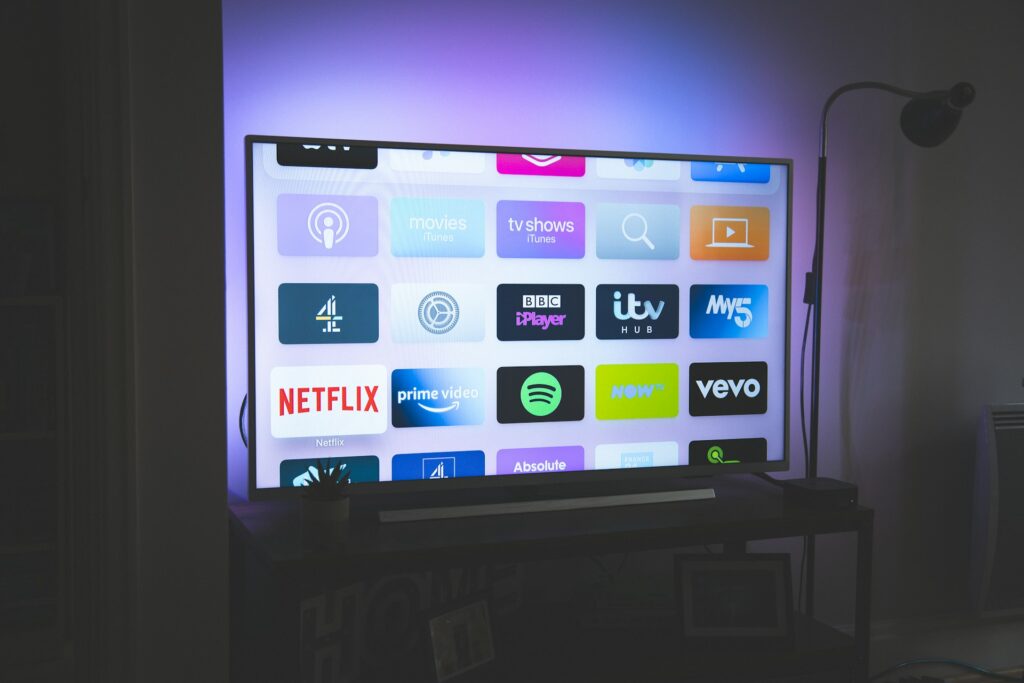
Programmatic CTV advertising lets you buy connected TV inventory through automated, data-driven auctions instead of negotiated upfronts.
Key Highlights
- Programmatic CTV advertising runs on the same DSP-to-SSP auction mechanics as display and video, adapted for streaming inventory.
- Real-time bidding gives you household-level targeting and measurable outcomes that linear TV can’t match.
- Fragmented supply paths and inconsistent bidstream data are the biggest drags on programmatic CTV efficiency.
- Bid enrichment and supply path optimization fix the data gaps that cause overpaying for the wrong inventory.
- Measurement only holds up when the supply path feeding it is clean, which is why verification and curation go hand in hand.
- Curated, SSP-agnostic access through a platform like our Ichiro gives you cleaner inventory without locking you into one supply source.
Here’s what’s actually happening behind the scenes every time your DSP wins a CTV impression.
The mechanics: how a programmatic CTV auction works
A programmatic CTV auction starts the moment a viewer opens an app on a connected device. The publisher’s supply-side platform (SSP) packages that ad opportunity into a bid request and sends it into the open exchange or a private marketplace (PMP).
Your demand-side platform (DSP) evaluates the request against your targeting parameters:
- Audience segment
- Frequency cap
- Content category
- Device type
If it clears your bid floor and brand suitability rules, your DSP submits a bid. The winning bid serves in milliseconds before the next scene loads.
This is the same real-time bidding model that powers programmatic display, but CTV adds complexity. Streaming inventory spans dozens of publishers, app environments, and content types, and six standardized ad formats now exist under the IAB Tech Lab’s CTV Ad Portfolio Initiative to keep creative consistent across that fragmentation.
Pod-based ad breaks add another layer. Streaming platforms increasingly signal full commercial break opportunities to buyers, rather than single slots, which means your DSP needs creative and bidding logic built for multi-ad pods, not just one-off impressions.
Where DSPs and SSPs actually fit
A DSP is your buying tool. It holds your budget, your audience data, and your bidding logic, and it’s where your team sets strategy.
An SSP sits on the publisher side, managing inventory and packaging it for sale. Most CTV publishers work with multiple SSPs to maximize fill and yield, which means the same impression can sometimes be available through more than one supply path.
That overlap matters for buyers:
- Bidding into the cheapest, cleanest path to the same impression improves efficiency.
- Bidding into a redundant or bloated path inflates cost for no added reach.
- Working too many SSPs without a curation layer adds operational overhead without adding real reach.
This is the core problem supply path optimization (SPO) is built to solve, and it’s a topic we’ve covered in more depth.
Why bidstream data quality makes or breaks performance
Every bid request carries metadata: content genre, app bundle ID, device type, viewability signals. The problem is that this data is frequently incomplete, mislabeled, or outright spoofed.
According to Peer39’s guide to programmatic CTV buying, a substantial share of impressions labeled as premium in CTV are actually served in non-streaming environments, which means buyers relying on raw bidstream signals alone are often bidding blind.
Bid enrichment closes that gap by layering verified, third-party signals onto the bid request before your DSP makes a decision, so targeting and brand suitability rules work with accurate data instead of guesswork. Without enrichment:
- Targeting rules fire on bad signals
- Brand suitability filters miss spoofed inventory
- Budget gets wasted on impressions that don’t match what you bought for
Brand suitability in a fragmented streaming environment
CTV brand safety works differently than display. There’s no single page to scan for risky content; instead, suitability has to be evaluated at the program or content level, across thousands of shows and live streams distributed through dozens of apps.
Program-level targeting solves this by letting buyers include or exclude specific shows and content categories rather than blocking entire apps. That distinction matters for scale: blocking a whole streaming app to avoid one type of content also cuts you off from every other show on that platform, including ones your audience actually watches.
A stronger approach applies pre-bid suitability categories directly to the bidstream, covering things like:
- Divisive or highly controversial news content
- Low-quality or user-generated video
- Mature or sensitive themes
- Content aimed at children, when that’s outside your target audience
- Non-streaming environments mislabeled as premium CTV inventory
Layering these filters in before the bid, rather than auditing after the campaign runs, keeps both reach and brand safety intact.
Measurement and attribution: connecting CTV to business outcomes
Programmatic CTV’s biggest advantage over linear TV is measurability, but only if the underlying supply data is trustworthy. Media buyers increasingly look past impressions and completion rates toward outcomes that tie back to revenue.
Useful CTV measurement typically tracks:
- Video completion rate (VCR) and viewability
- Household-level reach and frequency, to avoid overexposure
- Cross-device attribution, since CTV viewers often convert on a phone or laptop
- Downstream business outcomes like site visits, store visits, or sales lift
None of these numbers mean much if the inventory feeding them is misrepresented. A campaign that looks efficient on paper, but is partially serving on non-premium or mislabeled placements, will show inflated performance that doesn’t hold up once you dig into outcome data. This is another reason enrichment and curation belong earlier in the funnel, not just at the reporting stage.
PMP deals and curated supply: the efficiency lever most buyers underuse
Open exchange buying gives you scale, but it also gives you the most fragmented, least transparent supply. Private marketplace deals let you negotiate direct access to specific publishers or curated inventory bundles at known rates.
Curation takes that a step further. Instead of negotiating PMPs one publisher at a time, a curated supply path:
- Pre-vets inventory across SSPs for quality
- Applies enrichment up front, before the bid reaches your DSP
- Packages everything through a single, transparent connection
- Maintains SSP-agnostic access, so you’re not locked into one publisher relationship
That’s the model our Ichiro platform is built on: SSP-agnostic curation that gives you cleaner CTV inventory without forcing you into a single publisher relationship or losing visibility into where your impressions actually run.
For agency traders managing multiple advertiser accounts, that consolidation also means less time spent reconciling supply paths manually and more time on strategy.
The Bottom Line
Programmatic CTV advertising runs on the same DSP-SSP auction logic as the rest of programmatic, but streaming’s fragmented supply and inconsistent bidstream data make execution harder to get right. Bid enrichment fixes the data problem. Program-level brand suitability fixes the safety problem. Supply path optimization and curated PMP access fix the efficiency problem. And none of it shows up correctly in measurement unless the supply feeding it is clean from the start. Getting all of this right is what separates CTV campaigns that hit performance targets from ones that just spend budget. If you’re ready to see what curated, SSP-agnostic CTV supply looks like for your account, learn about Ichiro or book a meeting with our team.
Frequently Asked Questions
How is programmatic CTV advertising different from programmatic display?
The auction mechanics are the same: DSPs bid into SSP-supplied inventory in real time. The difference is the inventory itself. CTV spans fragmented app environments and publishers with inconsistent bidstream data, which makes supply path transparency and bid enrichment far more critical to campaign performance than they are in standard display buying.
What’s the difference between a CTV DSP and a CTV SSP?
A DSP is the buy-side platform your team uses to set targeting, manage budget, and bid on inventory. A CTV SSP sits on the publisher side, packaging streaming inventory and making it available to buyers through the open exchange or private marketplace deals. Most campaigns touch both.
How does program-level targeting improve CTV brand suitability?
Program-level targeting evaluates suitability at the show or content level instead of the entire app. That lets buyers exclude specific risky content while still reaching the rest of a platform’s audience, rather than blocking an entire app and losing scale to avoid one content category.
Should I work with a CTV advertising agency or a programmatic curation platform?
A full-service CTV advertising agency typically handles strategy, creative, and media buying for brands without in-house programmatic expertise. A curation platform like Ichiro is built for teams that already run DSPs and want cleaner, enriched supply paths, not managed services. Which one fits depends on whether you need execution support or supply-side efficiency.

Jake Gardner
The founder and CEO of Splash Bay Media, Jake has over 15 years of experience in digital marketing and ad tech. He’s built, scaled, and exited high-performance teams, products, and data-driven solutions that help advertisers and media partners succeed in an increasingly complex digital landscape. At Splash Bay, he leads the company’s strategic vision and growth, focusing on innovative traffic-shaping solutions, advanced analytics, and transparent supply-path optimization to drive efficiency, performance, and scale. He works closely across marketing, sales, client services, product, and finance to ensure we deliver measurable results and long-term value for our clients.